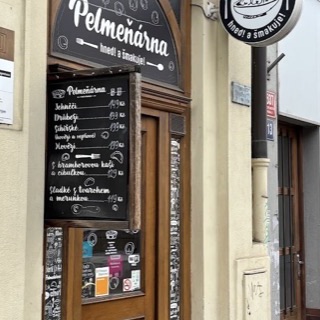
Štěpánská
Pelměňárna
Nové Město · Praha 1
Štěpánská
Pelměňárna
Nové Město · Praha 1
Prepared the documentation required by the public health authority, the HACCP system, occupational safety, the fire-safety design and the fire authority

Legalization and documentation for the authorities — from planning to final approval.
We secure the necessary permits and paperwork.
We handle dealings with the authorities — from day one through to final approval.
We find the problems before an inspection does.

We assess your space’s potential and estimate the time and budget your plan will need.

We prepare project documentation, including fire-safety and structural assessments.

We secure the necessary permits and paperwork.
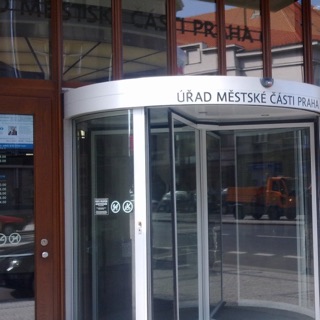
We handle all communication with the authorities — for example a change of use for non-residential premises (from a retail unit to a bistro with a hot kitchen), dealings with the heritage office, or a restaurant terrace permit.
We see it through to the end — occupancy approval and every inspection required: electrical, gas, public health and fire alarm system (EPS).

Getting the process right from the start saves time, money and needless complications.

We know how the building office, the public health authority and the fire authority operate. We handle every discussion professionally, without delays.

We catch potential issues before they turn into problems at approval or inspection.
Prepared the documentation required by the public health authority, the HACCP system, occupational safety, the fire-safety design and the fire authority
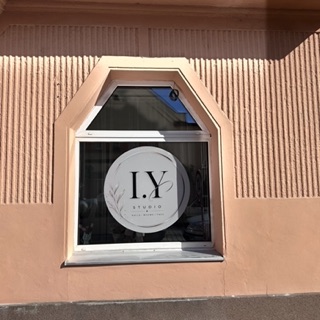
Change of use of the shop to a beauty salon
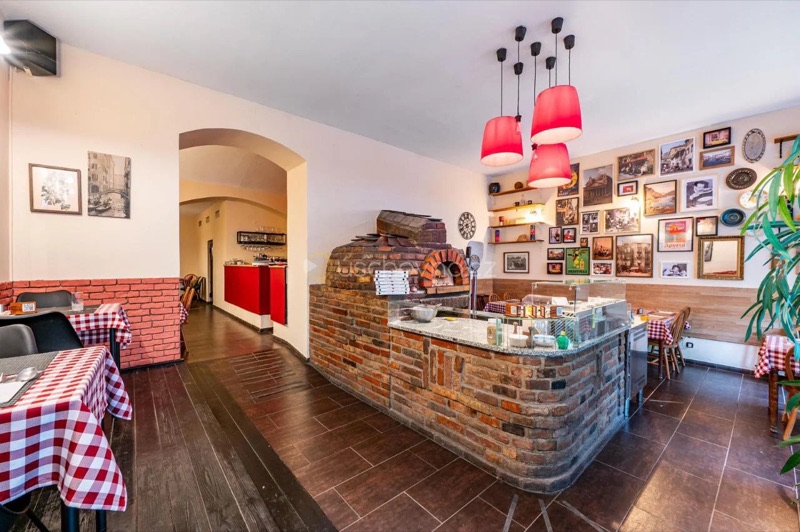
Expanded the outdoor terrace and got the awning approved, agreed with the heritage office
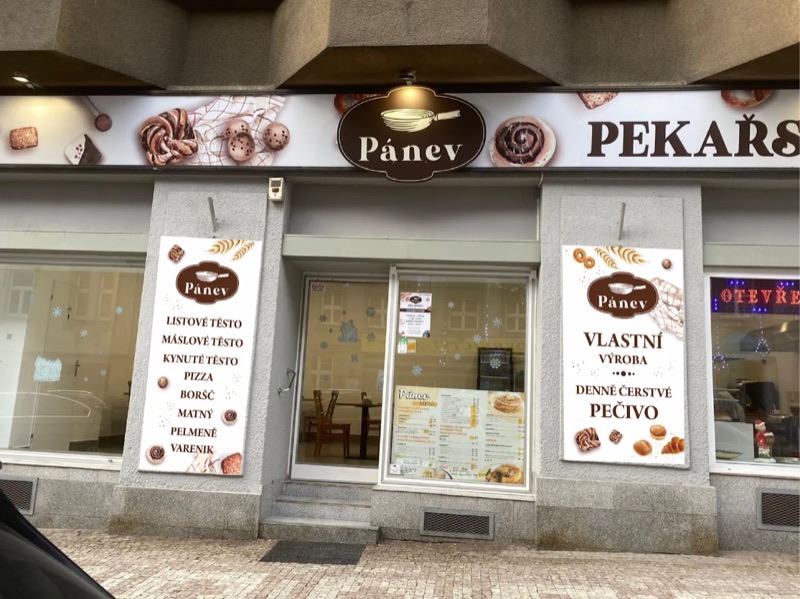
Prepared the documentation required by the public health authority, the HACCP system, occupational safety, the fire-safety design and the fire authority, plus dealings with the labour inspectorate
Occupancy approval for converting a retail unit into a confectionery and bakery
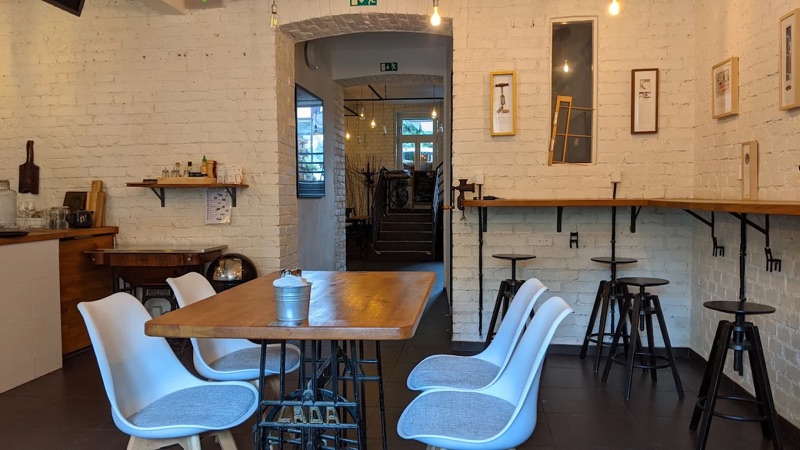
Prepared the documentation required by the public health authority, the HACCP system, occupational safety, the fire-safety design and the fire authority, plus a permit for the restaurant terrace
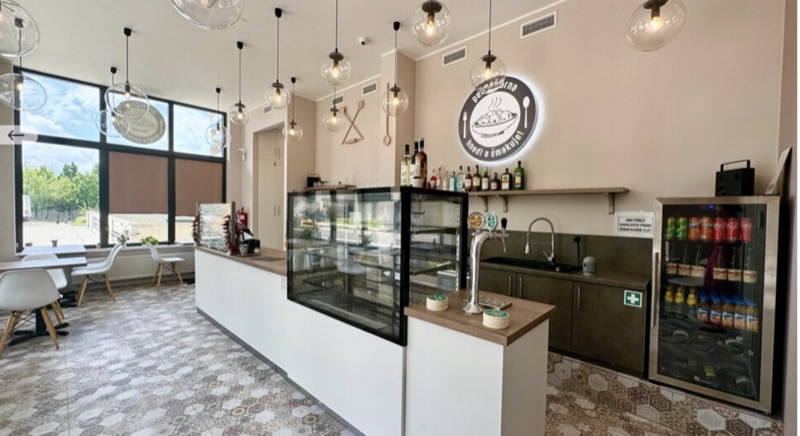
Change of use from a confectionery and bakery to a bistro, including occupational safety and fire protection compliance
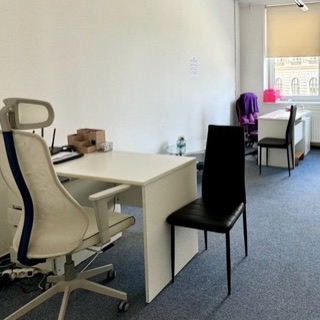
Fitted out a medical office, and prepared the documentation required by the public health authority and the building office
Oka Project grew out of a simple experience: legalising commercial premises and changing their use can trip up even experienced business owners.
We combine technical design expertise with hands-on experience dealing with the authorities, public health office, fire authority and heritage office. We know what each institution asks about, and what most often leads to rejection.
You focus on your business. We’ll make sure your premises meet every standard.
Inspections usually happen for three main reasons:
Stay factual, cooperate, and don’t hide anything — but don’t volunteer more than the inspector actually asks for either. Don’t sign anything you don’t understand, and if you’re unsure of your rights, it’s fine to say you’ll respond in writing later. In unclear situations, it helps to have a consultant on hand you can call right after the inspection.
The size of the fine depends on the type of violation, how serious it is, and whether it’s a repeat offence. The most commonly penalised issues are an invalid occupancy approval, missing documentation, or breaches of health regulations. The exact amounts vary case by case, so it’s worth discussing your specific situation individually.
No — and it’s one of the most common mistakes premises owners make, often without even realising it. Every space has an approved use written into its occupancy decision — for example as storage, an office, or a shop. If you’re running a restaurant, café, or other business there that the space wasn’t approved for, that counts as an unauthorised change of use — even if you haven’t made any structural changes to the space.
How this typically plays out in practice:
The building office finds out (through its own inspection or a tip-off) that the actual use doesn’t match what’s on record. In that case, it will usually first ask you to remedy the situation and set a deadline for bringing the space back into line with its approved use — in practice this is often a matter of days to weeks. Only if you fail to respond or resolve the situation do you risk:
The good news is that within the set deadline you have the chance to resolve it — either by reverting to the originally approved use, or by starting the process for an additional change of use. The sooner you deal with it, the better your chances of avoiding a fine or a stop to your operations.
Before dealing with anything else, it’s worth checking the real, official status first — because what’s written in a lease doesn’t always match what’s officially approved. This will tell you whether the space you want to rent or run a business in is actually allowed to be used the way you’re planning.
We try to keep working with you as simple as possible, without unnecessary bureaucracy.
Whenever something’s on your mind, doesn’t feel right, or you’re just not sure what to do, get in touch — call us, message us on WhatsApp, email, or use the form on the website. We answer the phone every weekday from 9am to 5pm, and we keep an eye on the other channels pretty much all the time.
The first conversation is always free — we listen to what you’re dealing with and give you advice on the spot. Sometimes that’s all you need. But if you decide you’d like us to take it on with you, we’ll agree on a concrete plan — and above all, we’ll tell you upfront roughly how long it will take and what it will cost. No unpleasant surprises at the end.
We’ll advise you on it all, free of charge.
IČO: 09292136 · Alexandr Hrečko
Billing and registration details are in our privacy policy.
Privacy policy →Call us and let’s talk through your plan right away.
Call +420 770 660 432